Drywall vs Masonry TV Mounting: A Technical Comparison for South African Homes
When it comes to drywall vs masonry TV mounting, the wall surface type is one of the most critical factors determining whether your screen stays securely in place or becomes a safety hazard. Drywall without stud support can typically only hold 20 to 30 pounds safely, which is less than the weight of an average 55-inch TV, making surface identification essential before any bracket goes up. At DSTV Pro Installers, our experienced dstv installation teams assess wall surfaces daily across 28 Gauteng suburbs, and understanding the difference between these two surface types directly affects the safety, longevity, and aesthetics of every TV mount we complete.
Key Takeaways
- Drywall requires stud or toggle anchor support: Mounting directly into the gypsum panel without hitting a stud is a structural risk for any screen heavier than 30 lbs.
- Masonry walls offer superior load-bearing capacity: Concrete or brick walls with masonry anchors support significantly heavier TVs without risk of pull-out.
- Wall type determines anchor selection: Toggle bolts, stud finders, and expansion anchors are each suited to different substrates.
- Cable concealment differs between surfaces: Masonry walls require chasing (channeling), while drywall allows cable ducts or in-wall conduit routing.
- Professional assessment prevents damage: Incorrect drilling into drywall or masonry risks electrical conduits, plumbing, or structural damage.
- TV wall mounting in Gauteng starts from R650: Pricing varies based on surface type, screen size, and cable routing complexity.
- Same-day service is available: Our TV wall mounting service across Gauteng includes a 12-month workmanship warranty on all installs.
Understanding Wall Surface Types: Drywall vs Masonry TV Mounting Basics
Before any bracket is selected or any drill is picked up, a proper surface assessment is mandatory. The two most common residential wall constructions in South Africa are gypsum board (drywall) and masonry, which includes face brick, plaster over brick, and concrete block.
Drywall consists of a gypsum core pressed between two paper sheets, fastened to a steel or timber stud frame. Masonry walls are solid, cast or laid from concrete blocks, fired clay brick, or stone, and they are significantly denser and harder than gypsum board.
Each surface type demands a different mounting approach, a different anchor type, and a different drilling method. Our dstv technician teams carry both masonry bits and wood/metal stud bits to every job precisely because surface identification happens on-site, not over the phone.
Drywall TV Mounting: Anchor Types, Weight Limits, and Method
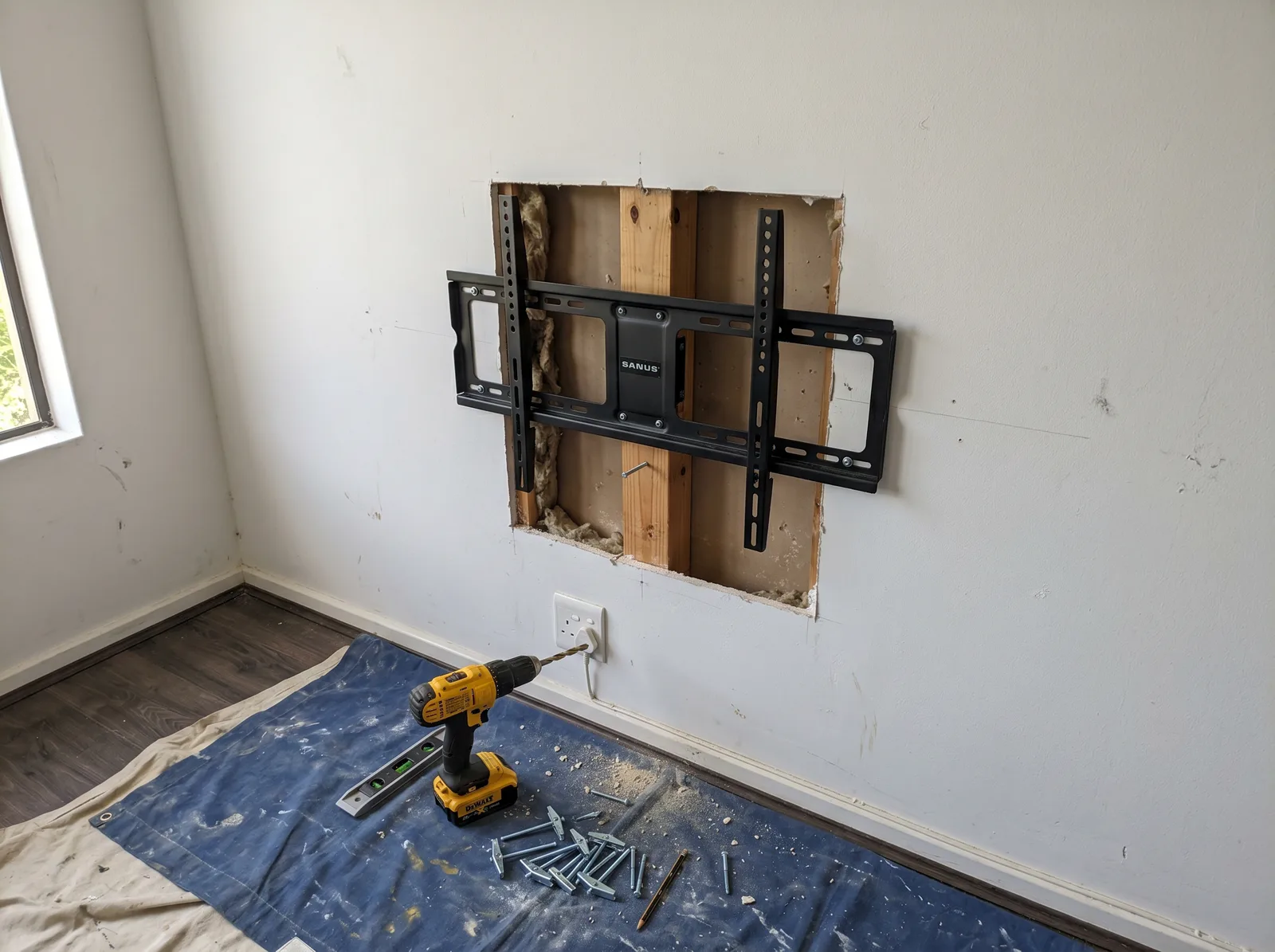
Mounting a TV on drywall is entirely achievable, but only when the correct technique is applied. The three reliable methods are stud mounting, toggle bolt anchors, and molly bolt anchors.
Stud mounting is the most structurally sound option for drywall. Timber or steel studs run vertically inside the wall cavity at either 400 mm or 600 mm centres. Hitting two studs with a bracket rated for the TV's weight provides a solid, long-term fix.
Toggle bolts open like wings inside the cavity behind the drywall sheet, distributing load across a larger surface area. Heavy-duty toggle anchors rated for drywall can support screens up to around 60 kg when installed correctly into double-layer drywall or near a stud zone.
Molly bolts work on a similar expansion principle, but they collapse against the back of the gypsum sheet. They are suited to lighter screens, typically under 25 kg, and should never be used as the sole anchor for large-format TVs.
Cable concealment in drywall is more flexible. In-wall conduit kits, recessed media boxes, or low-voltage cable plates allow cables to run invisibly between the mount and the power outlet without damaging the wall surface.
Masonry TV Mounting: Drilling, Anchor Selection, and Load Capacity
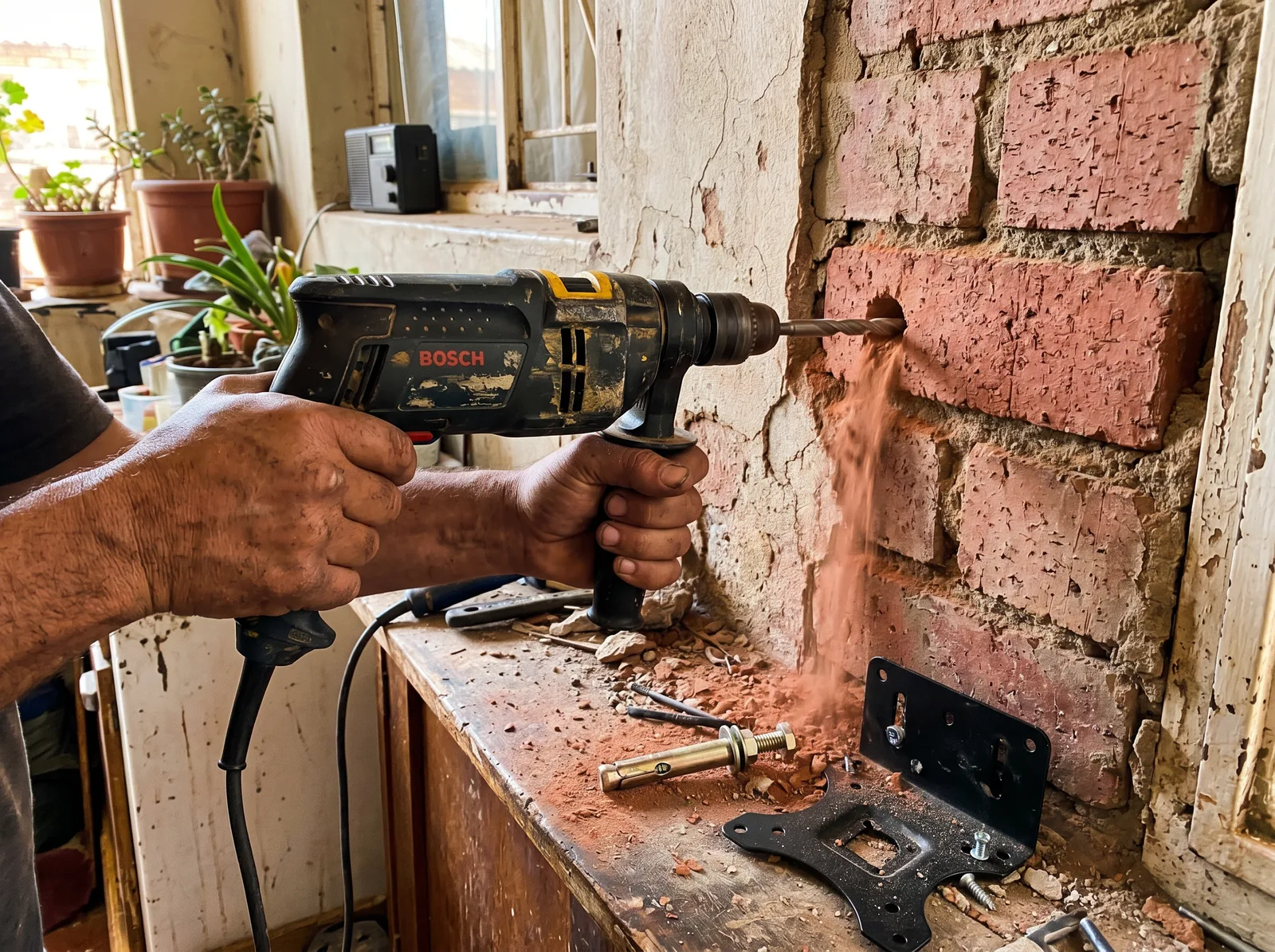
Masonry walls, whether face brick, concrete block, or plastered brick, offer substantially higher load-bearing capacity than drywall when the correct masonry anchors are used. This makes them the preferred substrate for large-format screens, home theatre setups, and heavy articulating mounts.
Drilling into masonry requires a hammer drill with a masonry or SDS bit. Standard electric drills will bind or burn out against brick or concrete. The hole size must match the anchor diameter precisely, and the depth must reach the manufacturer's minimum embedment depth to achieve rated pull-out resistance.
Common masonry anchor types include:
- Expansion sleeve anchors: A sleeve expands outward as the bolt is tightened, gripping the surrounding masonry. Reliable for medium to heavy loads in solid brick or concrete.
- Chemical resin anchors: A two-part epoxy resin is injected into the drilled hole before the threaded rod or bolt is inserted. Once cured, this creates a bond stronger than the surrounding masonry in many cases. Ideal for crumbly or hollow-core block where mechanical anchors may not grip reliably.
- Plug and screw anchors: The simplest form, a nylon or polypropylene plug inserted into the hole with a structural screw. Suitable for lighter screens on solid brick or plaster over brick walls.
Cable concealment on masonry is more involved. Chasing, which is cutting a channel into the plaster or brick surface, is required to bury cables flush with the wall. After cable placement, the chase is filled and patched. This process adds time and cost compared to drywall cable routing, but the result is a completely concealed installation with no visible conduit.
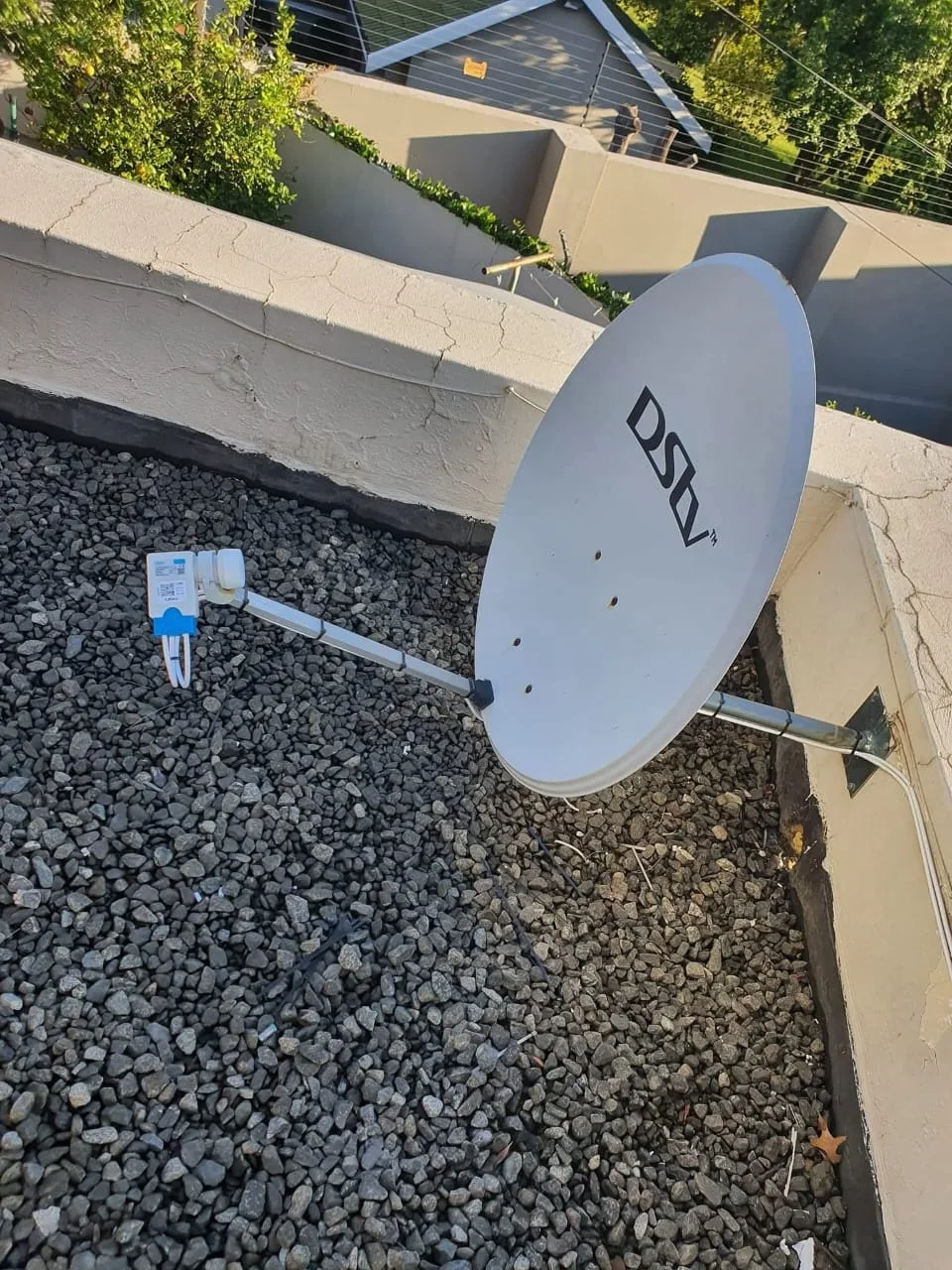
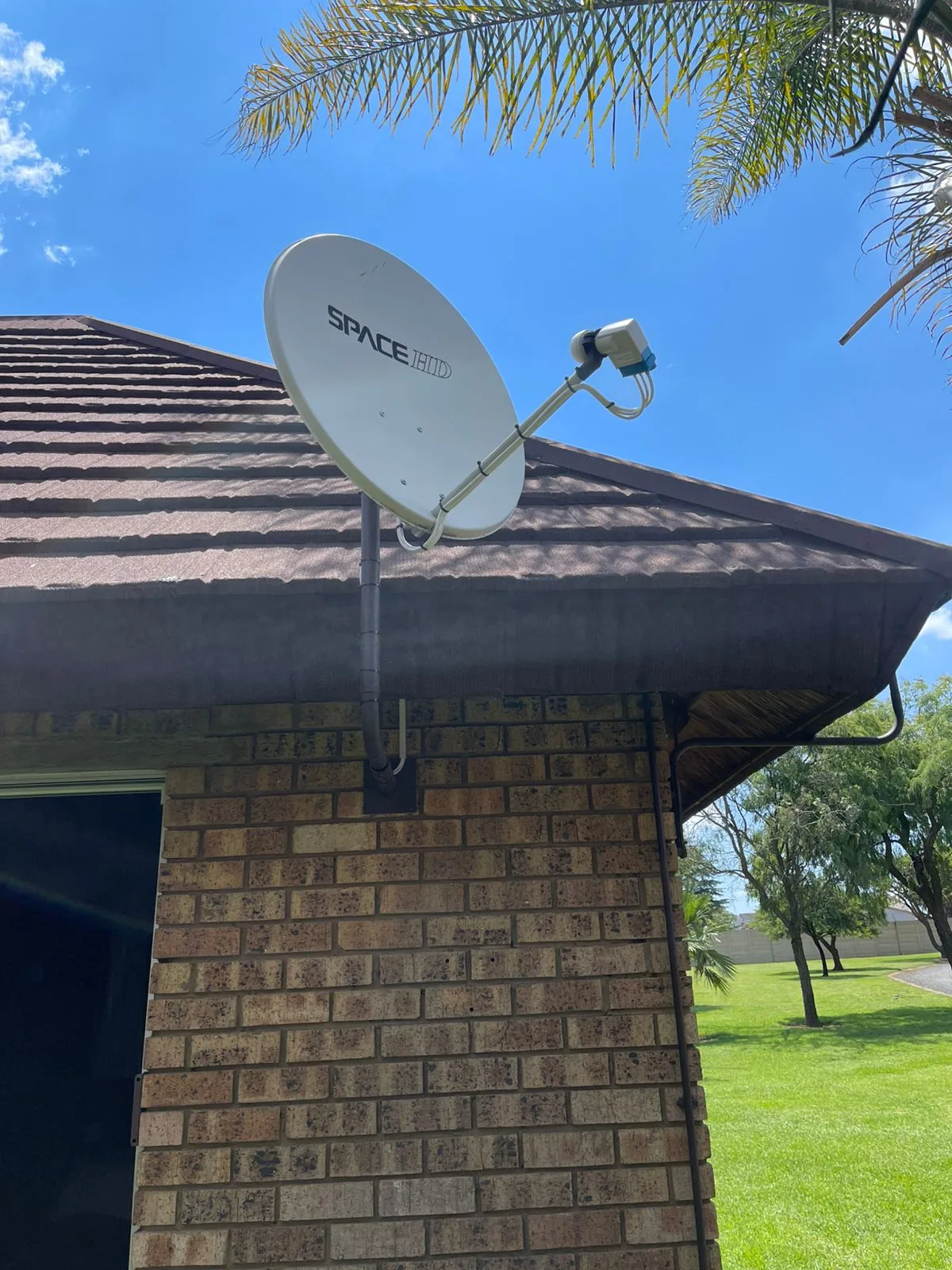
For dish mounts and external masonry work, the same anchor logic applies. Our dstv technician teams use resin or expansion anchors for bracket-mounted dishes on exterior brick or concrete surfaces, ensuring wind load and vibration do not compromise the connection over time.
Explore the top three differences between mounting a TV on drywall and on masonry walls. This infographic highlights the best anchors and methods for secure TV mounting.
How Drywall vs Masonry TV Mounting Affects Bracket and Hardware Selection
The bracket itself does not change based on wall surface, but the hardware connecting that bracket to the wall changes entirely. A fixed, tilt, or full-motion articulating bracket can be used on either drywall or masonry, provided the mounting hardware matches the substrate.
For drywall installations, bracket hardware kits include machine screws sized for stud engagement or toggle bolts for cavity mounting. The bracket's VESA plate and arm remain identical, but the wall plate fixing hardware differs.
For masonry, stainless steel masonry bolts replace the wood or metal stud screws. Stainless is preferred in coastal or humid environments to prevent corrosion that can weaken the anchor over time.
One practical consideration is the wall plate thickness. On a heavily plastered masonry wall, the plaster layer may be 10 to 20 mm thick. Anchors must penetrate through the plaster and achieve the specified embedment depth into the structural masonry beneath. Anchoring into plaster alone is not structurally acceptable for TV mounting.
On drywall, double-layer boards (two sheets bonded together) provide better toggle bolt performance than single-layer 12 mm gypsum board. If a drywall installation is being planned in a new build, specifying double-layer board at TV mounting zones is a straightforward way to increase holding capacity without structural changes.
Safety Risks of Incorrect Drywall vs Masonry TV Mounting
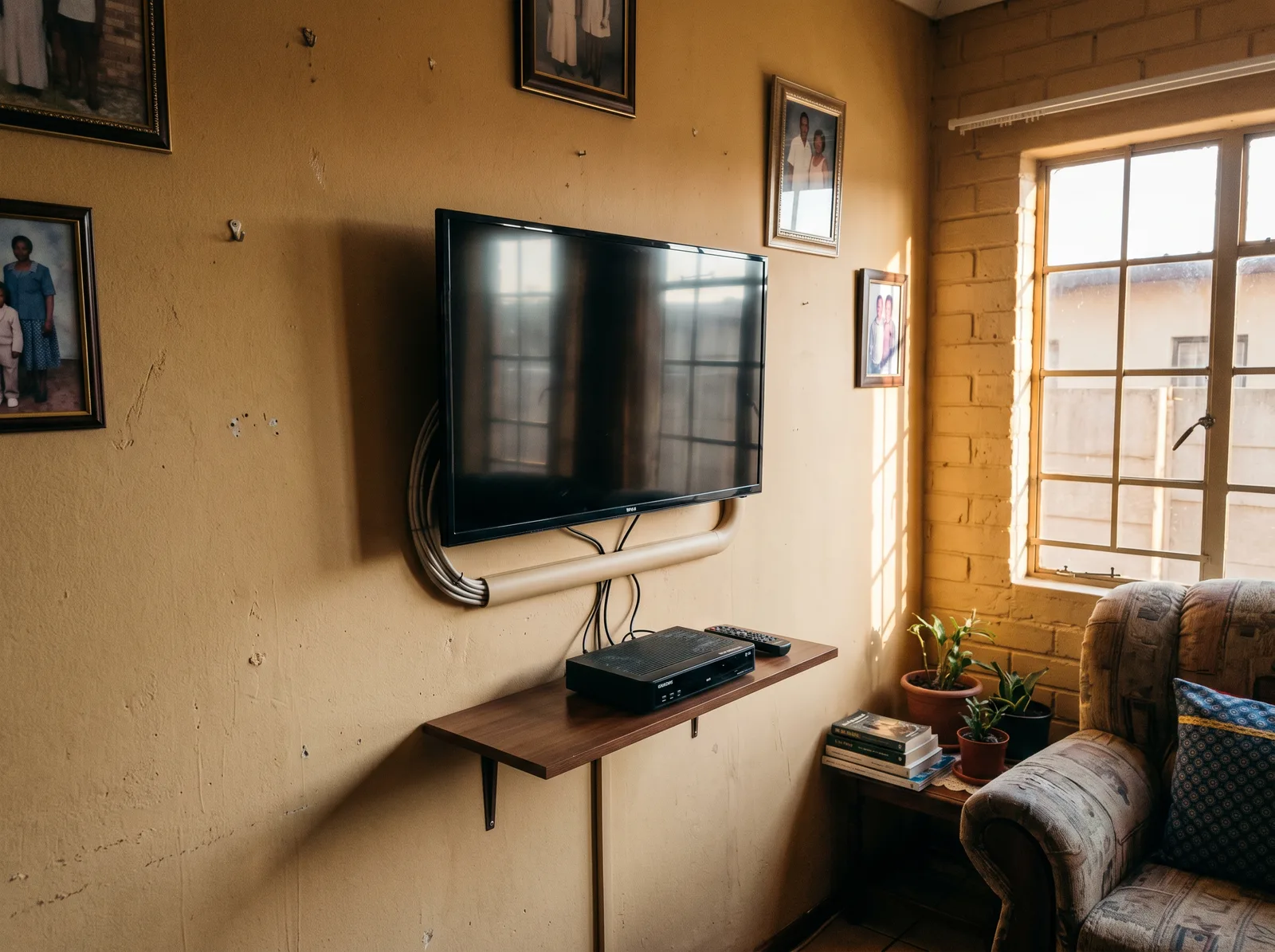
The consequences of using the wrong anchor in the wrong substrate range from cosmetic damage to serious physical injury. A TV falling from a wall mount at height can destroy both the screen and anything or anyone beneath it.
Common failure modes in drywall mounting include anchor pull-through (where the toggle collapses or the plug strips out of the gypsum), stud miss (where the installer drills adjacent to rather than into the stud), and anchor overload (where a single toggle carries the full weight of the TV because one fixing failed).
Common failure modes in masonry mounting include under-depth drilling (where the anchor does not achieve minimum embedment in solid substrate), mortar joint anchoring (drilling into the mortar between bricks rather than the brick itself, which provides significantly lower pull-out resistance), and incorrect anchor sizing for the screen weight.
Our dstv installers carry calibrated torque drivers and use pull-test methods on anchors before hanging any screen. This step is often skipped in DIY installations, and it is one of the primary reasons professional installation produces a measurably more reliable result than self-managed mounting attempts.
Dstv Installation and TV Mounting: How They Connect
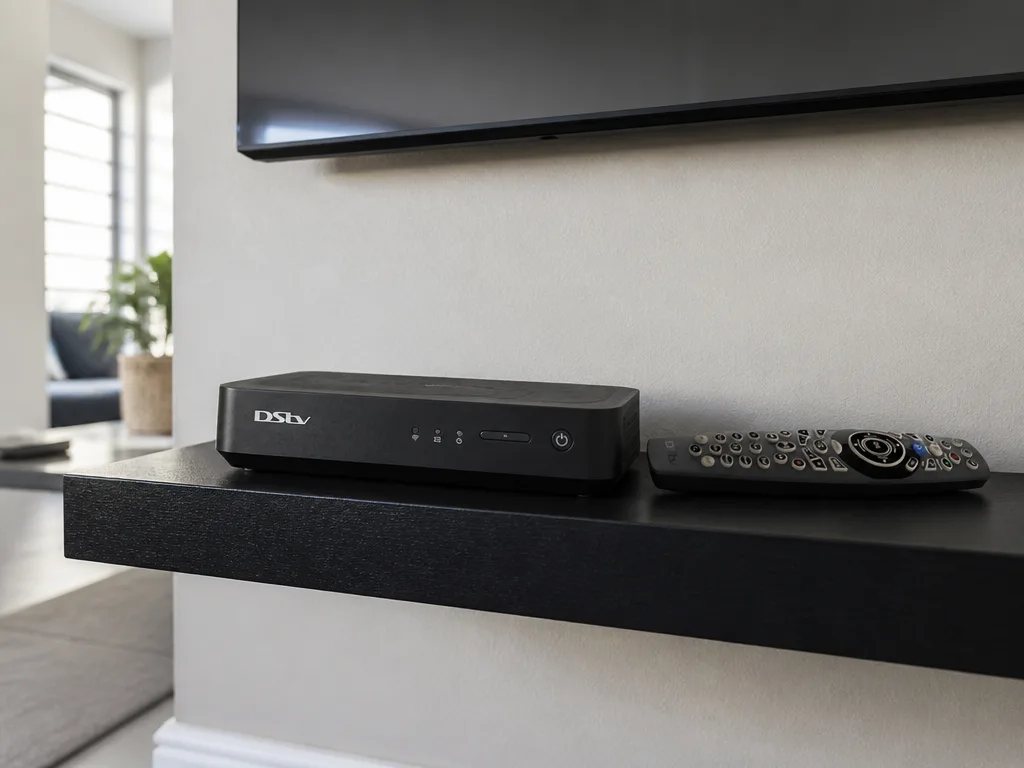
TV wall mounting and dstv installation are closely related services because a wall-mounted TV almost always connects to a decoder, and that decoder connects to a dish. The cable path from dish to decoder to TV passes through walls, and the wall surface type directly affects how that cabling is routed.
On masonry construction, the most common cable route from the dish is chased into the external wall and re-emerged inside the room, either at skirting level or directly behind the decoder position. On drywall partitioning inside the home, cables can run within the cavity between studs, exiting through low-voltage plates at the TV and decoder positions.
A full dstv installation that includes TV wall mounting on a masonry exterior wall and drywall internal partition requires knowledge of both substrates. Our dstv technician teams manage this combined workflow on single visits across all 28 Gauteng suburbs we service.
For extra room setups, our Extra View installation service extends cabling from the primary decoder to a second room, again requiring correct anchor and cable routing selection based on the wall surfaces encountered along the cable path.
Drywall vs Masonry TV Mounting Costs in Gauteng (2026)
Pricing for TV wall mounting in Gauteng in 2026 ranges from R650 to R1,200 depending on wall type, screen size, mount type, and cable routing complexity. Masonry installations that require hammer drilling, chemical anchors, and cable chasing typically sit at the higher end of this range due to the additional time and materials involved.
Drywall installations that hit structural studs and require only in-wall cable plate routing are generally faster and sit closer to the R650 entry price point. Drywall installs requiring toggle bolt arrays for heavy screens or articulating mounts fall between R750 and R950 depending on complexity.
Full dstv installation services, which include dish mounting on a masonry exterior wall, cable routing through masonry or drywall to the decoder position, and decoder configuration, start from R850 and extend to R1,450 depending on the scope. These prices include our 12-month workmanship warranty.
Call us on 077 454 4032 for a same-day quote across all 28 Gauteng suburbs we cover, including Sandton, Randburg, Bryanston, and Roodepoort.
Step-by-Step Wall Assessment Before Drywall vs Masonry TV Mounting
A structured pre-installation wall assessment is the process our dstv technician follows before selecting hardware or drilling any holes. The steps are consistent regardless of location.
- Surface identification: Tap the wall surface. A hollow sound indicates a drywall cavity. A dense, solid response indicates masonry. A visual inspection of corners, skirting edges, and switches confirms the construction type.
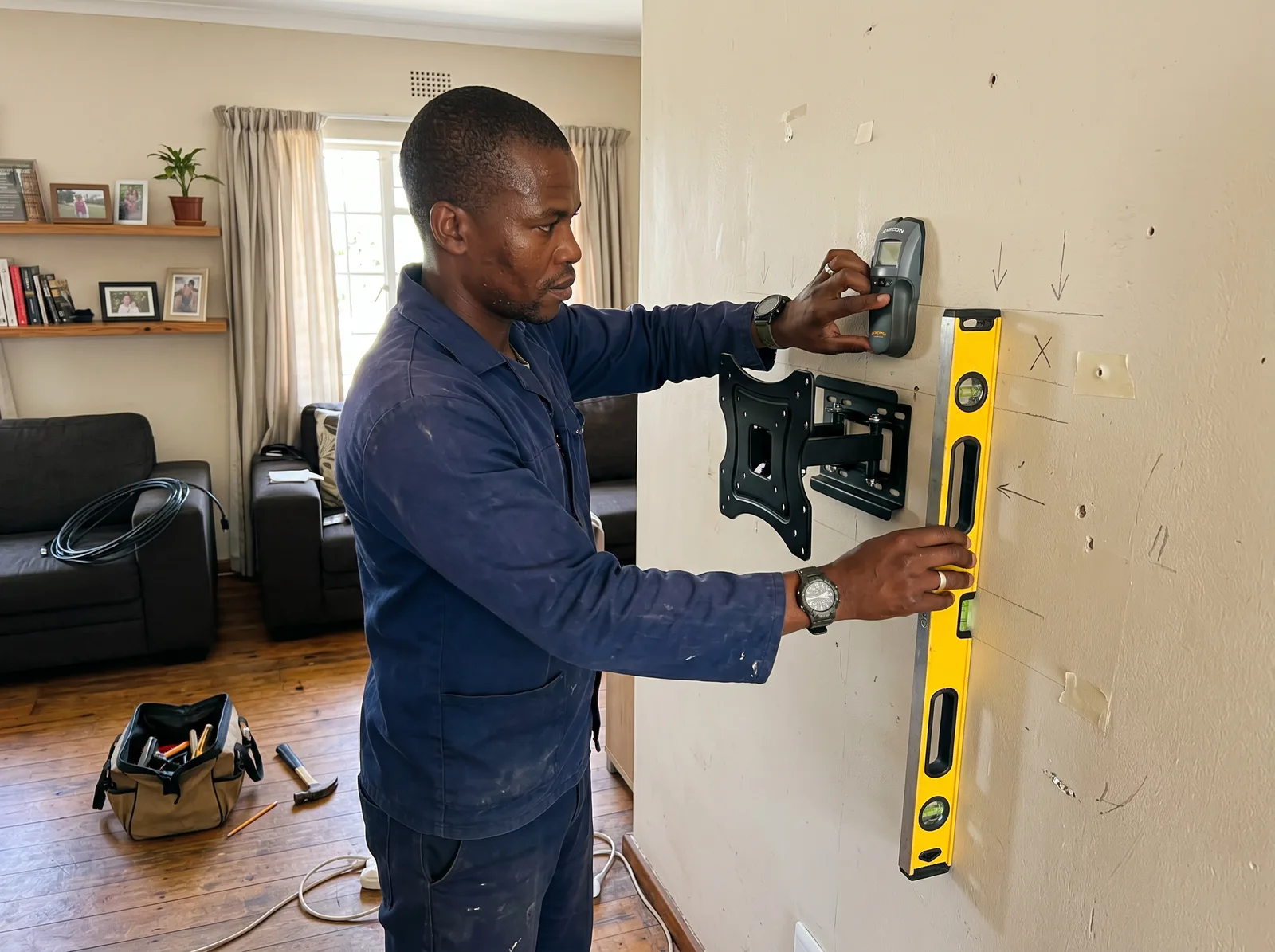
- Stud detection (drywall only): A magnetic or electronic stud finder is used to locate stud centres. Stud positions are marked before the bracket plate is positioned for drilling.
- Conduit and plumbing check: On masonry walls, a wire detector or signal tracer confirms the absence of embedded electrical conduit or plumbing within the drilling zone. This step prevents damage to live services.
- Anchor selection: Based on wall type, stud presence, screen weight, and mount arm length, the correct anchor type and diameter is selected from the technician's hardware kit.
- Bracket levelling: The bracket wall plate is positioned and levelled using a spirit level before pilot holes are marked. This prevents the common DIY error of a screen that hangs at a visible angle.
- Anchor installation: Holes are drilled at the correct depth. Anchors are inserted and set according to manufacturer specifications before the bracket is torqued to its fixing.
- Load check: A manual pull test or torque check confirms anchor engagement before the screen is hung.
When to Call Professional Dstv Installers for TV Wall Mounting
DIY TV mounting is attempted frequently, but the structural risk increases significantly when the installer cannot accurately identify the wall type, locate studs, or select the correct anchor. In South African residential construction, masonry and drywall are often used in combination within the same property, so assuming one surface type based on external appearance leads to errors.
Professional dstv installers bring calibrated tools, surface-specific anchor kits, and installation experience that removes the guesswork. This is especially important in renovated or older properties where wall construction may not follow standard modern specifications, and in drywall partitions where the stud spacing or stud material (timber vs light steel frame) affects drill and anchor selection.
We recommend calling our team any time the TV weighs more than 25 kg, the mount is a full-motion articulating arm, the wall surface is unidentified, or the cable routing path passes through more than one wall type. You can reach DSTV Pro Installers on 077 454 4032 for same-day assessment and installation bookings across Gauteng.
Our satellite dish alignment service also covers re-mounting of dishes shifted or loosened from masonry fixings after wind events or building renovation work, using the same anchor assessment protocol applied to interior TV wall mounting.
Conclusion
The comparison of drywall vs masonry TV mounting comes down to load capacity, anchor type, drilling method, cable routing approach, and professional knowledge of the substrate being worked on. Masonry walls provide superior structural support for heavy or large-format screens, while drywall installations are entirely viable when stud mounting or correctly specified toggle anchors are used.
In 2026, across Gauteng's mix of face brick, plaster over masonry, and lightweight drywall construction, there is no universal mounting method. Each wall requires individual assessment before any hardware is selected. Our dstv installation teams at DSTV Pro Installers complete this assessment as a standard first step on every TV wall mounting job, ensuring the right anchor goes into the right surface every time.
For professional TV wall mounting across 28 Gauteng suburbs, call DSTV Pro Installers on 077 454 4032. TV wall mounting starts from R650 with a 12-month workmanship warranty included. Our dstv installers cover Sandton, Randburg, Parkhurst, Northcliff, Edenvale, and 23 additional Gauteng suburbs with same-day availability.
Frequently Asked Questions
Can I mount a 65-inch TV on drywall without hitting a stud?
A 65-inch TV typically weighs between 25 and 35 kg, which exceeds the safe holding capacity of drywall without stud or heavy-duty toggle anchor support. You can mount a 65-inch TV on drywall using rated heavy-duty toggle anchors, but professional assessment of the gypsum thickness and board layer count is required before attempting this. We recommend professional installation to confirm anchor suitability for the specific screen weight and mount arm length.
What is the difference between drywall vs masonry TV mounting in South African homes?
In South African residential construction, exterior walls are predominantly masonry (face brick or plaster over brick), while internal partitions in newer or renovated homes are increasingly drywall on light steel frames. Drywall vs masonry TV mounting differs in drill bit type, anchor hardware, drilling depth, and cable routing method. Masonry requires hammer drilling and expansion or resin anchors, while drywall requires stud finding and toggle or molly bolt systems.
Is TV wall mounting on masonry better than drywall for heavy screens?
Yes, masonry wall mounting offers significantly higher load capacity than drywall for heavy screens, large articulating mounts, and home theatre setups. Masonry anchors in solid brick or concrete block can support loads that are four to five times greater than comparable toggle anchors in standard drywall. For screens above 40 kg or full-motion mounts with extended reach arms, masonry is the structurally preferable substrate.
How much does professional TV wall mounting cost in Gauteng in 2026?
TV wall mounting in Gauteng in 2026 starts from R650 and reaches R1,200 depending on wall surface type, screen size, mount type, and cable routing complexity. Masonry installations requiring hammer drilling, chemical anchors, and cable chasing sit at the higher end of this range. DSTV Pro Installers provides same-day service across 28 Gauteng suburbs, including a 12-month workmanship warranty on all wall mounting work.
Can a dstv technician handle both TV mounting and dstv installation in one visit?
Yes, a qualified dstv technician can complete both TV wall mounting and full dstv installation in a single visit. This combined service covers dish mounting on the exterior masonry or roof structure, cable routing through masonry or drywall to the decoder position, decoder pairing, and TV bracket fitting and levelling. DSTV Pro Installers offers this combined service across Gauteng with same-day booking available on 077 454 4032.
What anchors should I use for TV mounting on a plastered brick wall?
For TV mounting on a plastered brick wall, the anchor must penetrate through the plaster layer and achieve minimum embedment depth into the structural brick below. Expansion sleeve anchors or chemical resin anchors are both suitable, depending on whether the brick is solid or hollow-core. Anchoring into the plaster layer only is not structurally acceptable for any screen weight, and a qualified dstv installer should assess the plaster thickness before specifying anchor length.
Is drywall TV mounting safe for an articulating full-motion bracket?
Drywall TV mounting with a full-motion articulating bracket is safe only when the bracket is fixed through the drywall into structural studs at both fixing points. Full-motion arms create leverage forces that amplify the effective load on wall anchors when extended, making stud mounting mandatory for this bracket type on drywall. Toggle bolt arrays without stud engagement are not recommended for articulating mounts on standard single-layer drywall.
Keep reading
In case you missed it
Planning a job? See realign your DSTV dish. Or browse our Silverton installer team and Equestria DSTV specialists pages.
More to read: our guide: curved tv wall mounting.