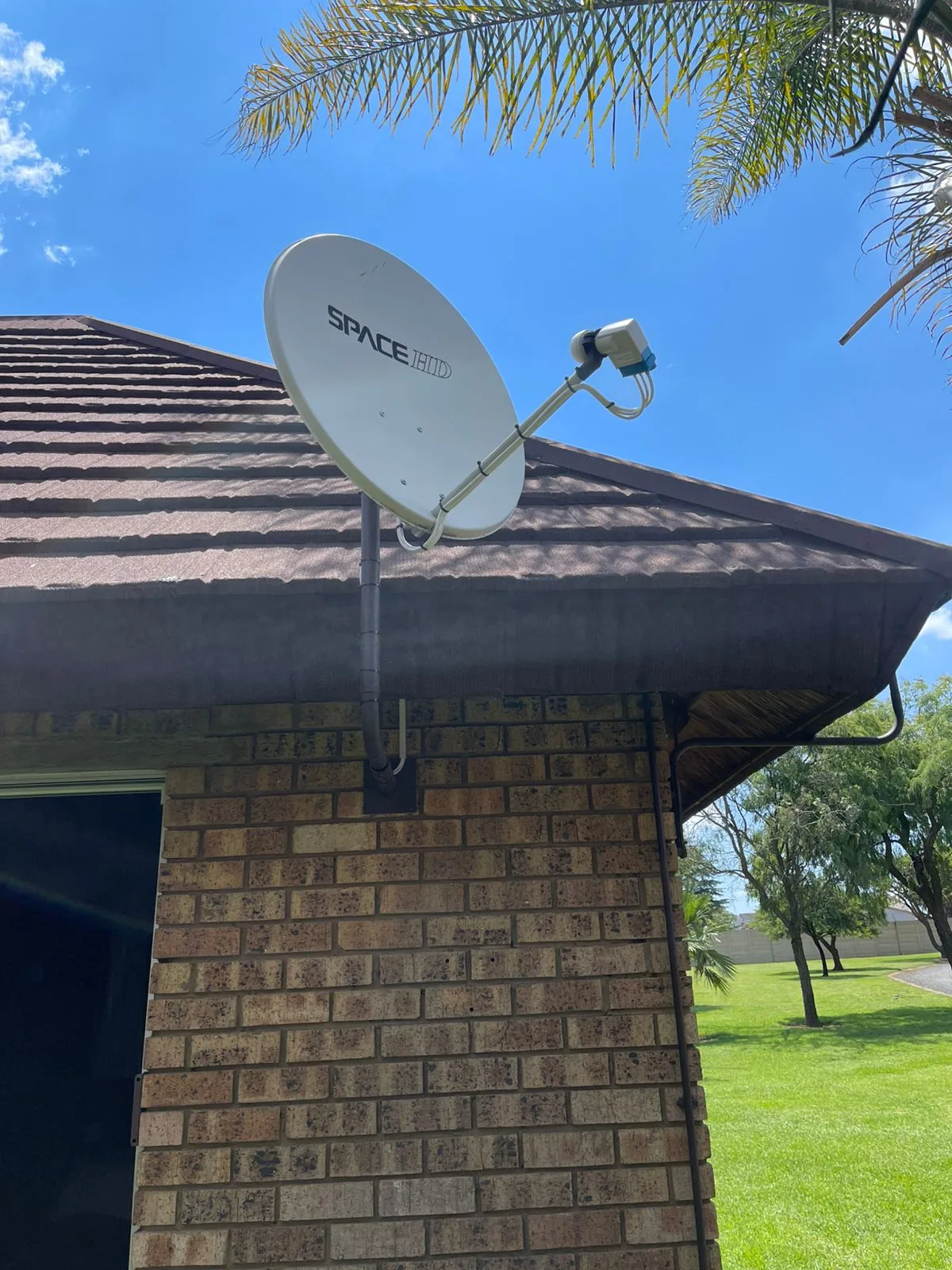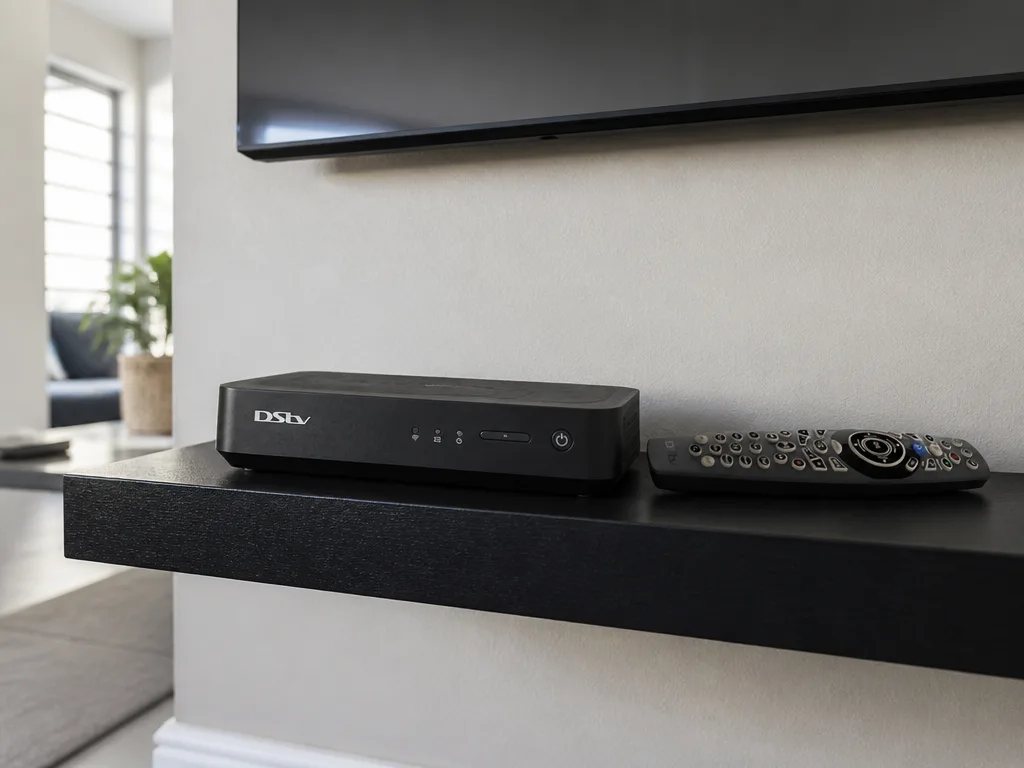
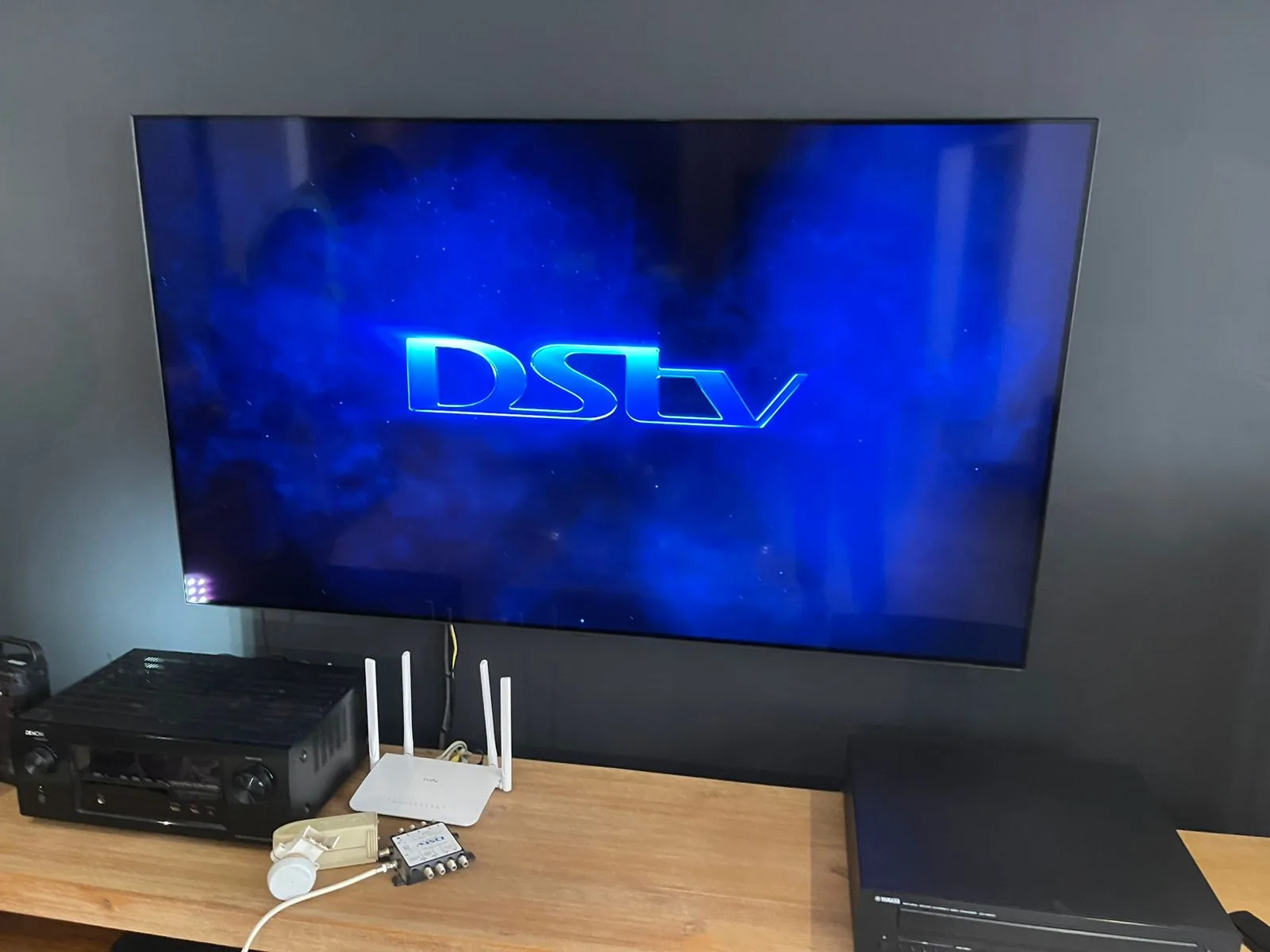
Between 2022 and 2024, we replaced more DSTV Explora decoders than in the previous decade combined. The culprit was not age or faulty manufacturing — it was load-shedding, and specifically the rough restore of mains power after a Stage 4 or Stage 6 outage. If you have a DSTV decoder in a Gauteng home and you are not protecting it properly, you are gambling with a R2,500 piece of equipment every single time the lights come back on.
Even with Eskom's improved 2025-2026 grid performance and long stretches of zero load-shedding, the winter risk register still flags a possible Stage 2 to Stage 4 shortfall in the colder months. One bad cold-snap evening is all it takes — and MultiChoice's standard 12-month warranty does not cover power-surge damage. That is what this guide is about.
Why load-shedding kills DSTV decoders
The DSTV Explora — and to a lesser extent the older HD PVR models — is essentially a small Linux computer with a hard drive inside. Three things hurt it during load-shedding, and understanding them tells you which protective step matters most for your situation.
1. Voltage surges at restore
When Eskom restores power after a slot, the grid does not come back cleanly. There is a brief surge, sometimes well above 230 V, as the feeder re-energises and the neighbourhood's fridges, geysers and pool pumps all draw simultaneously. That surge is the single biggest decoder killer. The internal power supply inside the Explora has a modest surge tolerance and repeated hits stack up over months until the unit simply refuses to boot one day.
2. Dirty power and voltage dips
Stage 4 and Stage 6 outages often include localised brownouts and voltage dips before and after the scheduled slot. Dips below 180 V for even a few seconds can corrupt the decoder's filesystem or, worse, corrupt the hard-drive platter during a write operation. This is the classic Explora boot-loop symptom — the unit powers on, shows the DSTV logo, reboots, and loops forever.
3. Abrupt shutdowns mid-write
If the Explora is in the middle of a PVR recording, a Catch Up download, or a firmware update when the power cuts, you can end up with a corrupted flash partition. That usually manifests as a decoder that powers on but throws an E-16 error code or simply sits on a black screen at boot.
Surge protector vs UPS vs inverter — which protection actually works
The three main protection options sit at very different price points and do very different jobs. Most homes need a layered approach (level 1 + level 2), and only larger households or Extra View setups need to step up to level 3. Prices below are typical 2026 ranges from Takealot, Builders and Mecer-channel resellers — confirm at the till, things move around.
| Option | Typical 2026 price | Protects against | Battery autonomy | Best for |
|---|---|---|---|---|
| Surge-protector multi-plug (Ellies / Magneto / Huntkey, 1,500-2,500 J) | R350 - R650 | Restore-surge spikes, near-strike lightning transients | None — power cuts the moment Eskom does | Every home, no exceptions. The minimum baseline. |
| 600-650 VA off-line UPS (Mecer ME-650-VU or similar) | R1,200 - R1,800 | Surges + voltage dips + clean shutdown during 2-hour slots | 15 - 30 min on decoder + fibre router | Decoder + router combo. Best bang-for-buck upgrade. |
| 1,200 VA inverter trolley (Mecer 1200VA + 100Ah battery) | R5,500 - R9,500 | Surges + dips + full slot uptime for the whole media cabinet | 4 - 8 hours on decoder, TV, soundbar, router | Multi-decoder Extra View homes, sports households. |
| Lithium hybrid inverter (1-3 kWh wall-mounted) | R18,000 - R45,000+ | Everything above, plus pure sine-wave output and longer battery life | 6 - 12+ hours, depending on load | Whole-cabinet plus office, work-from-home setups. |
Prices verified May 2026 from Takealot, Builders and Mecer reseller listings. The lithium hybrid range is broad because installer labour and battery size dominate the quote.
The five protective measures, in order of priority
1. Plug into a proper surge protector
This is non-negotiable and it is the cheapest line on the table above. A decent multi-plug surge protector from Takealot or Builders costs around R350-R650 and will absorb the worst of the restore-surge spike. Look for:
- A joules rating of at least 1,500 J (higher is better — 2,500-3,000 J is ideal)
- A response time under 25 nanoseconds
- Independent surge-protection indicator LEDs (so you can see if the protection has been used up after a major event)
- Individual switches per socket so you can power-cycle without unplugging
Do not rely on the cheap double-adapter surge plugs from the corner shop — they are marketing, not engineering. Reputable brands in SA are Ellies, Magneto, Huntkey and ClearLine.
2. Add a small UPS for the decoder and router together
This is the real game-changer. A 600 VA or 650 VA off-line UPS — the Mecer ME-650-VU is the workhorse most installers stock — costs R1,200-R1,800 and keeps both your decoder and your fibre router alive through a standard two-hour slot. The benefit is not just continued viewing — it is that the UPS absorbs dips and surges that would otherwise reach the decoder directly. A decoder behind a UPS is, in our field experience, five to ten times less likely to fail.
3. Run the whole media cabinet off an inverter
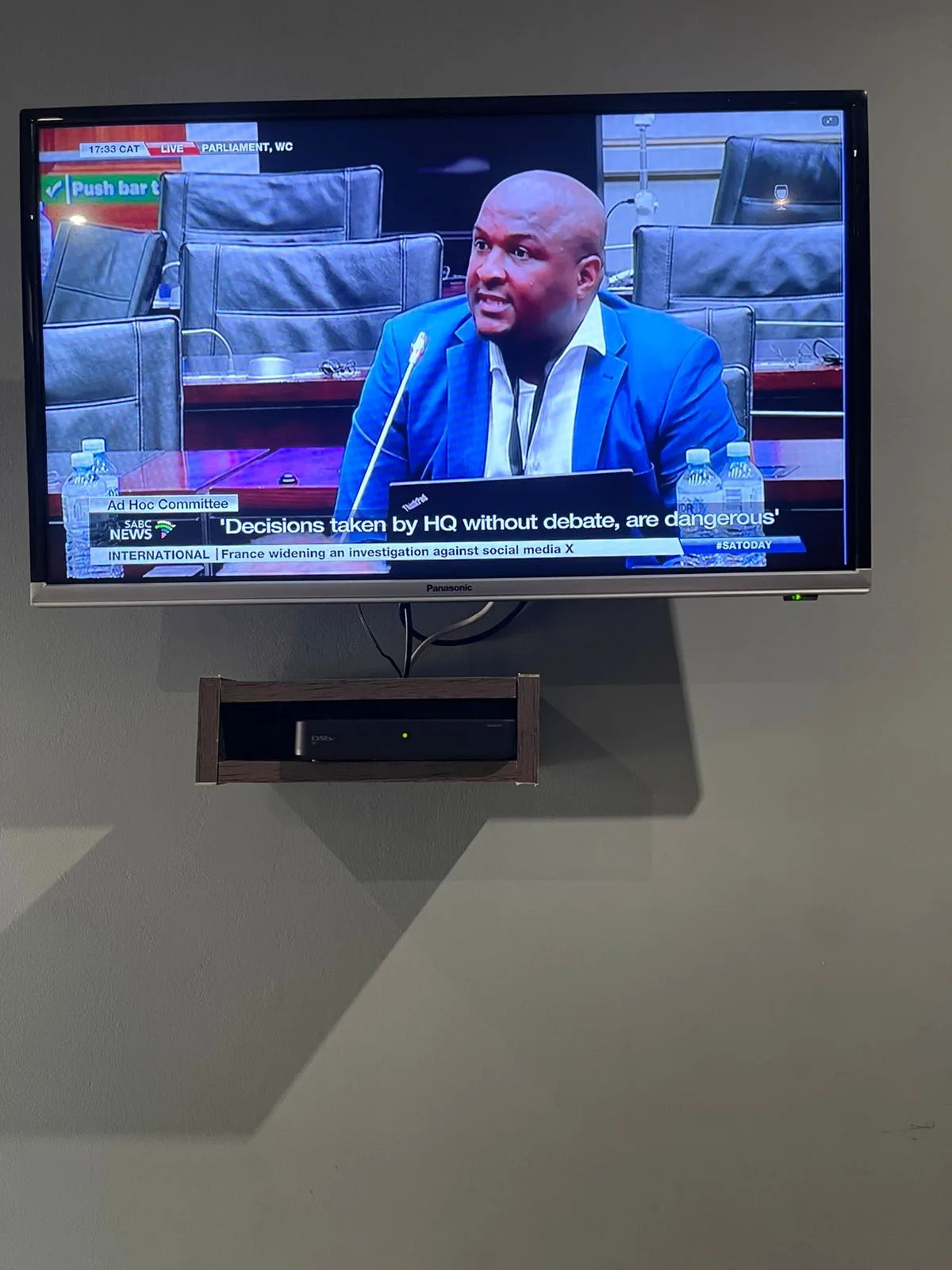
If you have bigger-budget options, a 1,200 VA inverter trolley or a wall-mounted lithium hybrid (1-3 kWh) feeding the entire TV-cabinet circuit is the gold standard. You get pure sine-wave output, automatic changeover, and no interruption at all when a slot starts or ends. Most Gauteng homes we work in with Extra View across multiple rooms — particularly in Centurion and Fourways — have moved to this approach in the last two years. It also keeps the TV, soundbar, and console alive, so family life genuinely does not stop at 6 pm.
4. Develop the "disconnect before" habit for long outages
If you know a long-duration outage is coming — a planned maintenance window in your suburb, or an early-warning Stage 6 announcement — physically unplug the decoder from the wall. No amount of surge protector or UPS can match a disconnected plug. Yes, it is a pain. Yes, it takes ten seconds. Yes, those ten seconds can save you R2,500 and a week without DSTV.
5. Realign the dish after long outages
This one surprises people. Extended outages combined with high winds or a summer storm during the slot can knock a dish out of peak alignment, and because your decoder was off at the time, you do not notice it until the signal quality drops are obvious. If you have had a rough few weeks of outages and storms, a quick diagnostic call or a dish realignment is cheap insurance.
What to do if your decoder is already stuck in a boot loop
First-line triage you can do yourself before calling anyone:
- Unplug the decoder from the wall and leave it for a full 60 seconds
- Plug it back in and watch the boot sequence carefully
- If you see the DSTV logo but it never gets past it, note the exact behaviour (does it freeze, restart, or show an error code?)
- Check the LED on the front — solid red usually means hard-drive failure, flashing red usually means firmware corruption
If the boot loop continues after a full power-cycle, the hard drive is likely corrupted. A decoder repair can sometimes recover the unit by reformatting and reflashing — typically a R450-R750 service. If the unit is more than five years old, a decoder replacement is usually the better economic call. MultiChoice does a swap-out on accredited units, but you need a proper technician to deauthorise the old unit on the SmartCard and re-pair the new one to your subscription.
One important note on warranties — surge damage is explicitly excluded from the standard 12-month MultiChoice decoder warranty. The optional NMS Decoder Insurance covers "mechanical or electrical fault and loss or damage caused by theft, fire, lightning or explosion" and is the only first-party cover that catches surge-related failure. Most homes are better off spending the same money on a UPS instead.
Need a hand? Book an accredited installer in your suburb
If your decoder has been acting up after the last round of load-shedding — boot loops, error codes, or sudden "no signal" messages — we can diagnose on site. Same-day decoder repair and replacement bookings available across Sandton, Centurion, Pretoria East, Fourways and 24 other Gauteng suburbs. Call 077 454 4032 or visit our contact page for a quote within the hour.
Keep reading
In case you missed it
Planning a job? See book a surround sound install. Or browse our DSTV installer in Woodmead and Parkhurst installer team pages.
More to read: our guide: dstv extra view wiring solutions.